
Why Every Rider Remembers Their First Leather Jacket
No such rider exists, the jacket never walked off on its own, and the gas station never had a cat that judged…
Read the story →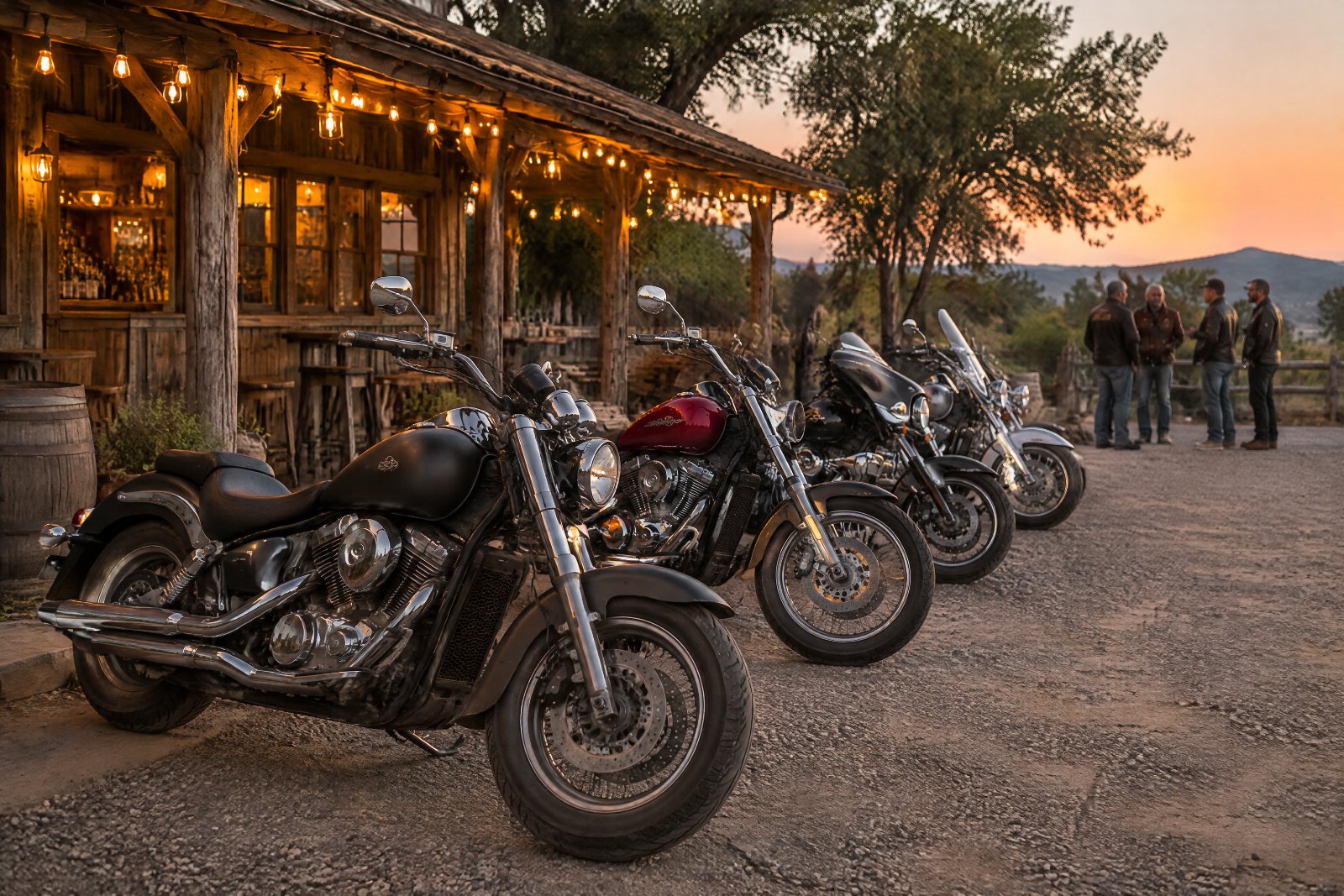
No such vest exists, no such gas station exists, and the old rider in it is a figure I over a second cup of bad coffee. The part about patches, though, is the kind of thing riders really do talk about.
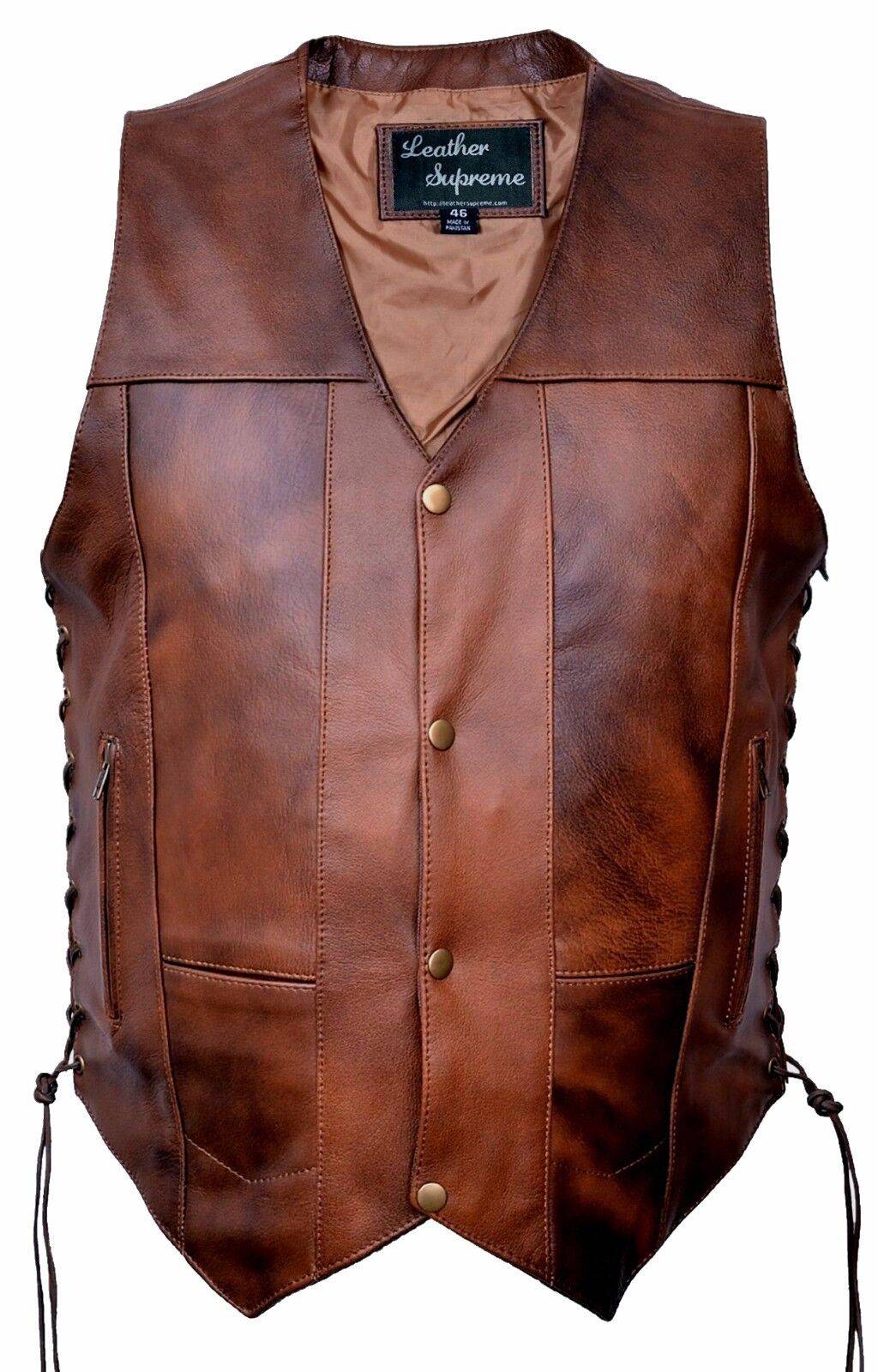
So the story goes, there was a gas station at the edge of nowhere, the kind with one pump, one dog, and one chair that has opinions. An old rider rolled in on a bike that sounded like a bag of wrenches falling down a staircase. He wore a brown leather vest so worn in it looked like it had been born on him.
Now, the legend says this vest could talk. Not out loud. That would be ridiculous. But if you stood there long enough, reading it, the whole man came out of it like a long novel with very small print.
The dog read it first. The dog decided the man was all right.
Here is the thing about a vest. A leather jacket says you ride. A vest with patches says what kind of rider you are, where you have been, and who you answer to. It is a résumé, a diary, and a dare, all stitched to a piece of hide.
In the story, our old rider had a patch for every chapter:
A tidy vest with three crisp patches tells you something too. It says the rider is new, or picky, or just getting started. None of that is an insult. Every faded vest started out stiff and clean. Nobody was born with a weathered back.
Now for the part that is not a story at all, just good manners that riders pass along by word of mouth.
Our old rider in the story lived by all four. He once, the tale insists, stood still for forty minutes while a stranger told him the whole history of a single patch, and he nodded the entire time like it was news.
The old rider finished his coffee, which by then had grown a skin, and a young fella walked up and asked about the vest. Not the patches. The vest itself. How you get one to look like that.
The old rider said, “You don’t. You wear it until it looks like that.”
Then he said a thing I have thought about ever since, which is that a vest is not finished when you buy it. It is finished when you are. Every patch on it is a place you showed up. The leather just holds the evidence.
He got back on the bike, which started on the third try, and rolled out of town with the vest catching the late light. The dog watched him go. The dog, I am told, has never been wrong about a rider.
If you are trying to read a vest at a gas stop, these are the patches you will see most often:
Not every patch has to be serious. Some of the best ones mark a bad morning, a good laugh and the people who were there, and those are often the ones strangers ask about. If one has been sitting in a drawer because it feels silly, sew it on anyway. Keep personal patches on the front panels or low on the back, leave the back panel clear if you might join a club later, and stitch patches onto leather rather than ironing them, since iron-on adhesive does not hold on leather.
If you are building a vest from scratch, start with the leather. The American Biker Co catalog carries a Retro Brown Buffalo Hide Leather Vest with concealed carry, the kind of brown buffalo hide vest that gives a young rider a decent blank page. Add embroidered patches over time, military, patriotic, or personal, and let them tell the truth about you instead of a flattering version.
If you would rather start with a club cut, look at the leather biker vests, including SOA-style cuts like the Clubman men’s SOA style club vest.
Pick the first patch for a reason. Pick the second one for a different reason. By the tenth, you will not need to explain yourself to anybody who knows how to read a back.
And if you ever pull into a gas station at the edge of nowhere and find a dog, a chair, and an old man in a brown vest, go ahead and ask about the odd little patch near the bottom.
See the Retro Brown Buffalo Hide Leather Vest w Concealed Carry at American Biker Co.
No such rider exists, the jacket never walked off on its own, and the gas station never had a cat that judged…
Read the story →
Thunder in the Smokies is a small-town rally with a world-class backyard. It sets up on Soco Road in Maggie Valley, North…
Read the story →Some rallies are about the party. The Four Corners Motorcycle Rally is about the roads. Held every Labor Day weekend in Durango,…
Read the story →
Thunder in the Smokies is a small-town rally with a world-class backyard. It sets up
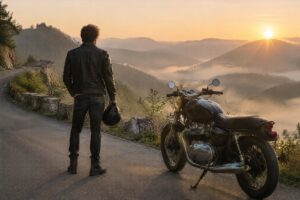
Some rallies are about the party. The Four Corners Motorcycle Rally is about the roads.

Lake of the Ozarks Bikefest is the Midwest’s late-summer send-off, with bikes all over the